An anal fissure is a tear in the lining of the anus or anal canal (the opening through which stool passes out of the body). The fissure can be painful and may bleed. One sign of an anal fissure is pain during or after a bowel movement.
Hemorrhoids, also known as piles, are swollen and enlarged veins in the anus and rectum that can cause pain, discomfort, anal itching, and rectal bleeding. While they are naturally present in the body, they become problematic when they swell and lead to irritating symptoms.
If suffering from Hemorrhoids consult Dr. Ujwal Zambare he provides best care for hemorrhoids, offering advanced diagnosis and effective treatment for it. While mild cases can be managed with dietary changes and home remedies, severe cases may require medical intervention for lasting relief.
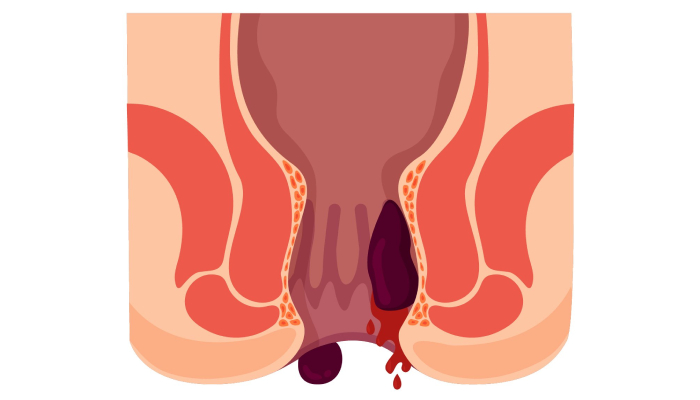
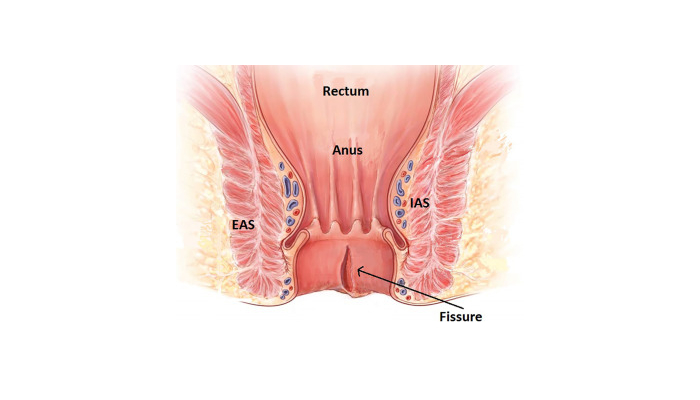
An anal fissure is a tear in the lining of the anus or anal canal (the opening through which stool passes out of the body). The fissure can be painful and may bleed. One sign of an anal fissure is pain during or after a bowel movement.
An acute anal fissure looks like a fresh tear, somewhat like a paper cut. A chronic anal fissure likely has a deeper tear, and may have internal or external fleshy growths. A fissure is considered chronic if it lasts more than eight weeks. An acute anal fissure looks like a fresh tear, somewhat like a paper cut. A chronic anal fissure likely has a deeper tear, and may have internal or external fleshy growths. A fissure is considered chronic if it lasts more than eight weeks.
Straining puts pressure on veins in the anus or rectum, causing hemorrhoids. You might think of them as varicose veins that affect your bottom.
Any sort of straining that increases pressure on your belly or lower extremities can cause anal and rectal veins to become swollen and inflamed. Hemorrhoids may develop due to:
Anal fissures can be caused by trauma to the anus and anal canal. The trauma can be caused by one or more of the following:
Anal fissures can occur in anyone at any age. The chance of having an anal fissure decreases as people get older. People who have had fissures in the past are more likely to have them in the future.
If you are experiencing persistent pain, rectal bleeding, swelling, or discomfort due to hemorrhoids, it’s important to seek medical attention. Delaying treatment may lead to complications such as thrombosed hemorrhoids or chronic bleeding.
Request a Call Back!
Need expert advice? Dr. Ujwal Zambare at True Life Clinic & Wellness Center is here to help. Schedule your consultation today for personalized care and effective treatment options.