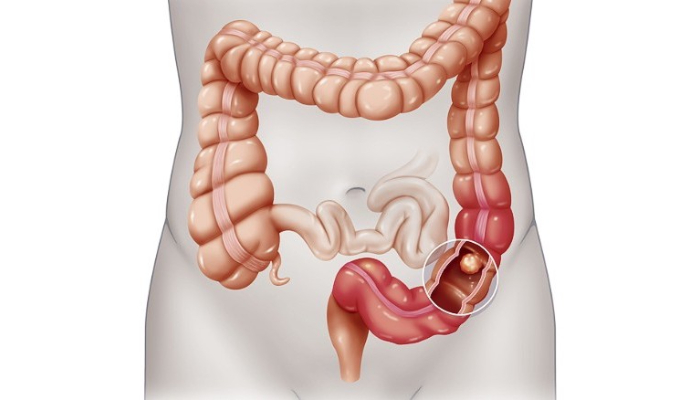
Intestinal cancer, also known as small intestine cancer or small bowel cancer, is very rare, accounting for less than 1 percent of all new cancer diagnoses. Stretched out, the small intestine is about 21 feet long and comprises a large part of the digestive system. Still, it accounts for only 10 percent of all gastrointestinal cancers.
Tumors in the small intestine may block the flow of food and affect digestion. As the tumor gets bigger, the blockages may cause pain in the abdomen. A slowly bleeding tumor may lead to anemia. Digested blood may cause the stool to become black or tarry. An obstruction—when the flow of food is completely blocked—may cause intense pain, nausea and vomiting and typically requires immediate surgery.